I sold flowers outside a supermarket to pay for a degree. It is the least technical thing I have ever done and it taught me the thing I now spend most of my time on, which is the difference between a quantity you improved and a quantity anyone can observe.
This is a short account of a business that worked, then worked better, then stopped working — in that order, and for a reason I did not see coming.
The first version was fine, and the product was bad
I started with ready-made bouquets bought from a middleman and sold outside a supermarket on Fridays. It was profitable. Some weeks it only broke even, and it only broke even because friends and family bought from me, which is a subsidy and not a market, and I knew the difference at the time.
Then I moved to a fancier ready-made line at the same cost to me, and started paying attention to what happened after the sale. They rotted in about half a week.
That is the number that changed the business. Half a week is not a flower arrangement, it is a countdown. Somebody buys flowers on Friday for a table on Friday night and by Tuesday the thing they bought is refuse. I was not being told this by customers. Nobody comes back to a supermarket forecourt to complain about a bouquet. I only knew because I started buying my own product and watching it.
Going direct cost me 1.5x per stem
So I bypassed the middleman. I registered a company, got access to Israel's largest fresh-flower wholesaler, and started buying stems and building the bouquets myself.
The raw materials cost about 1.5 times what the finished ready-made bouquets had cost me, before VAT. That is the whole economic problem of the exercise in one number: I had moved upstream, taken on the labour, and made my input costs worse. Buying in small volume from a wholesaler is not the same trade as buying in volume, and I was very much the small buyer.
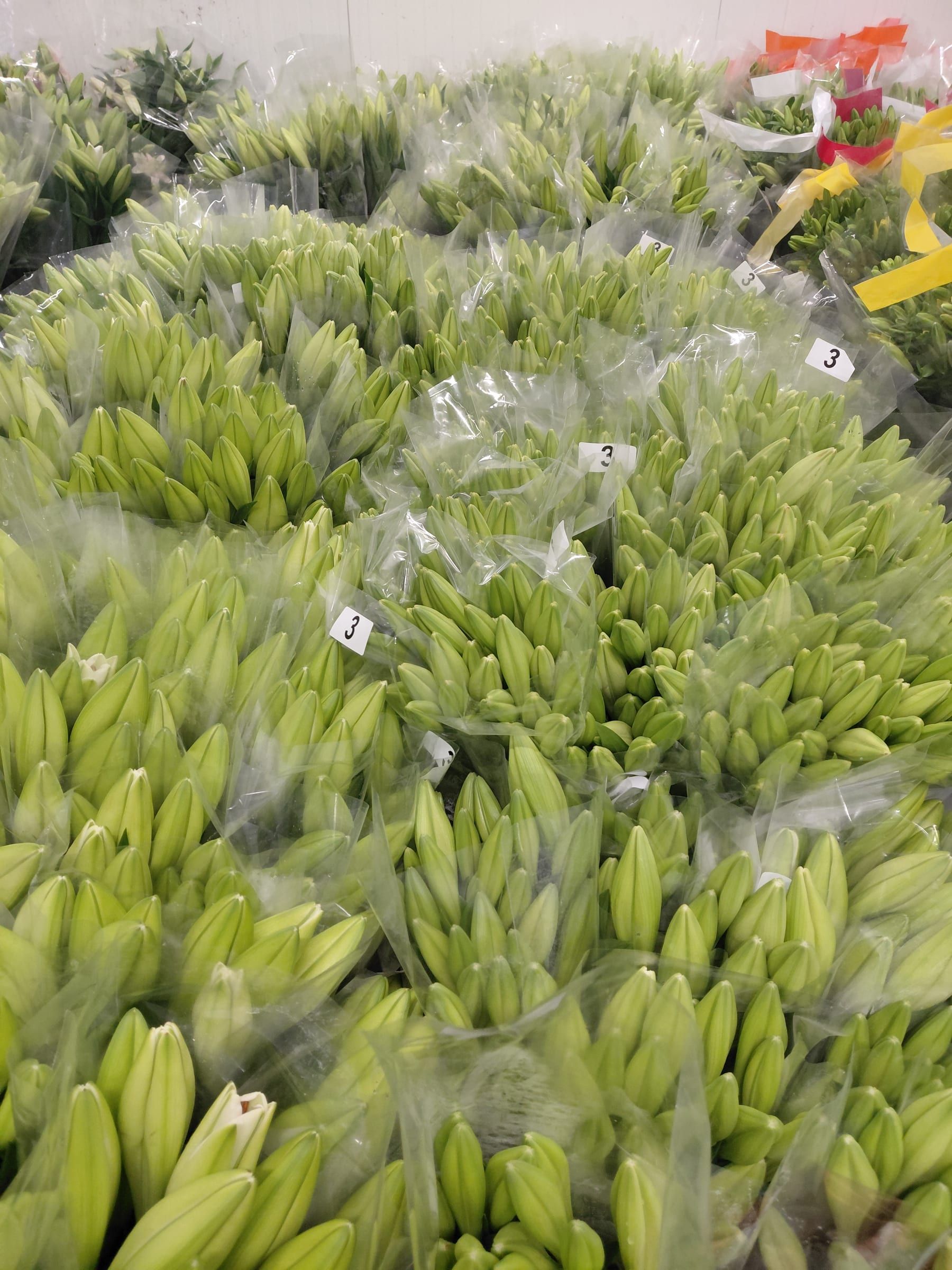
The way through it was a spreadsheet. A bouquet has to look like a certain size to be worth its price on a forecourt, and every stem has a cost and a visual contribution that are not proportional to each other. Some flowers are cheap and bulky. Some are expensive and are the reason someone stops walking. I built the arrangements against a budget line rather than by eye, which meant I could hold the apparent size roughly constant while the mix underneath it moved with what the wholesaler had that week.
Fourteen to twenty-one days, measured on a calendar
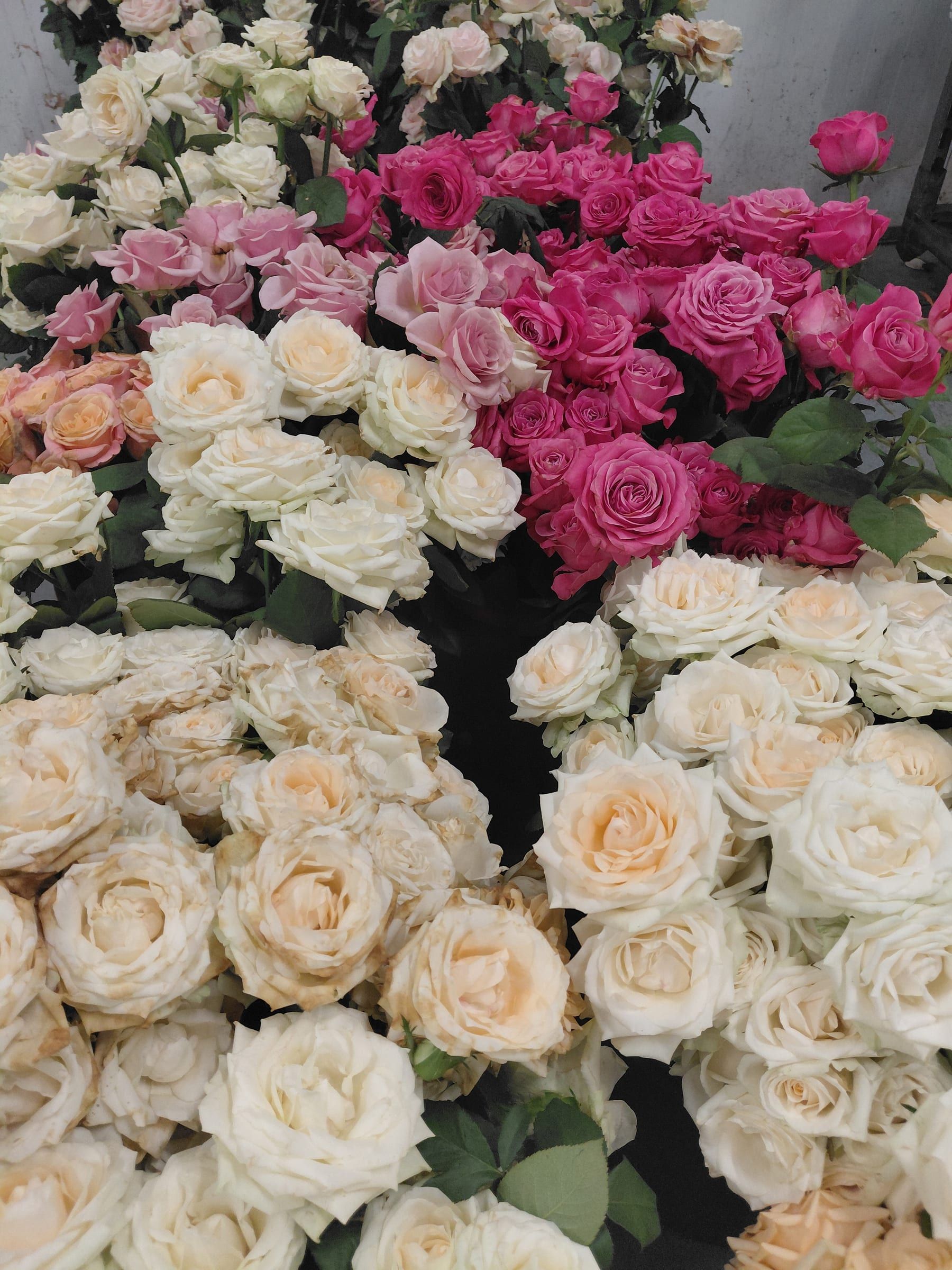
The quality difference was not subtle. Bouquets built from stems I selected, kept in a cold room, and sold within a controlled window lasted 14 to 21 days instead of about four.
I know that because I wrote it down. I kept a calendar and tracked when a batch was bought, when it was built, when it was sold and when it actually died. That is an unglamorous log and it is the only reason I can state a range instead of an impression. The cold room is the other half of it: cut flowers age on a curve you can bend with temperature, and holding stock properly between the wholesaler and the customer is most of what a distributor is actually for.
By any measure I owned, the product was three to five times better than what I had been selling.
Then the weather changed the flowers
A season shifted and the stems came in smaller. Same varieties, same wholesaler, same price to me, less flower per unit.
My costs did not fall. My spreadsheet held the budget line, so what moved instead was the visible size of the bouquet. It got smaller, because the flowers in it got smaller.
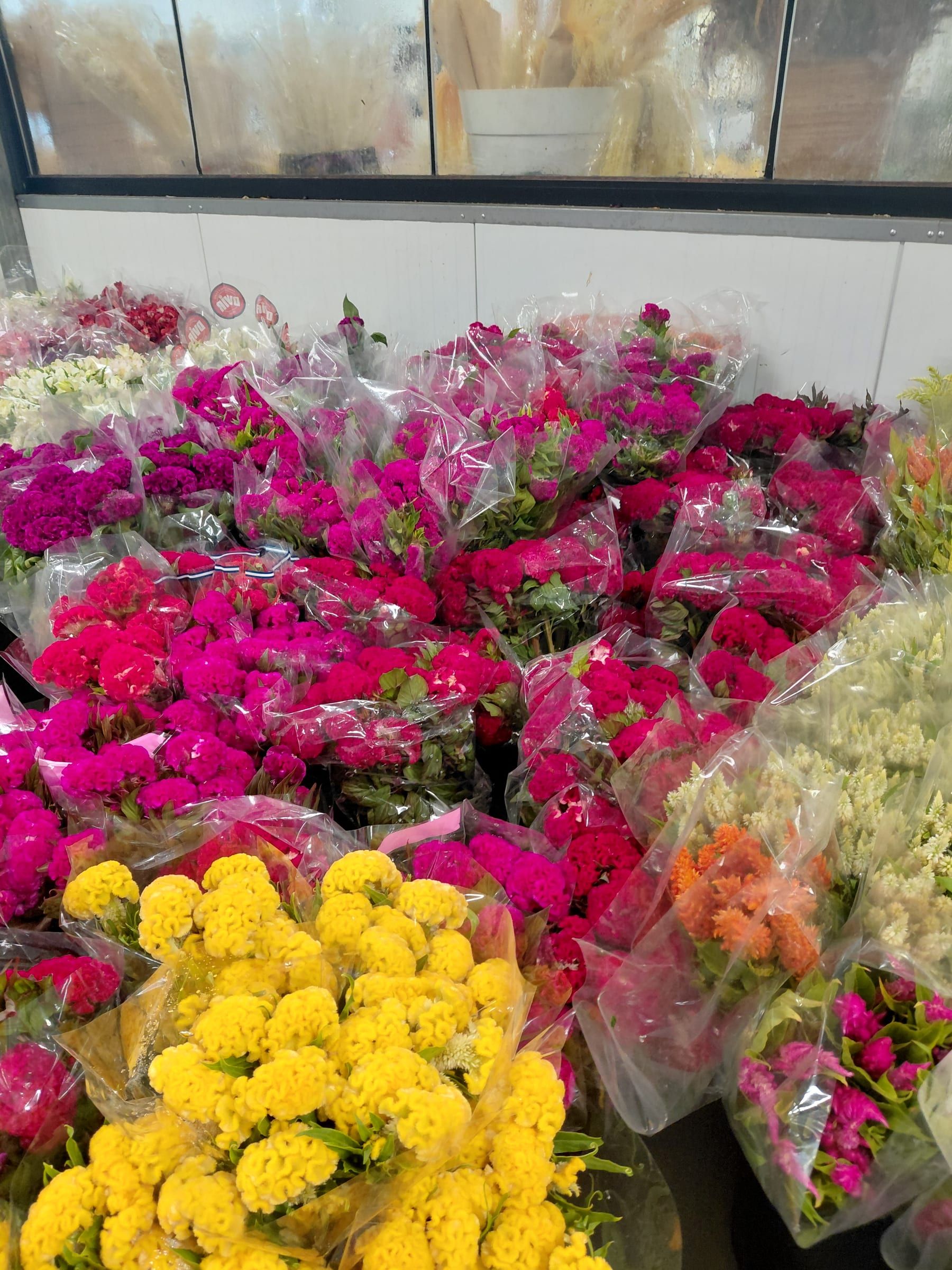
Customers concluded that I was shrinking the bouquets to make more money.
They were not being unreasonable. From the outside that is exactly what it looks like, and it is a thing sellers genuinely do. The information that would have exonerated me — wholesale invoices, stem counts, the weather — is information a person buying flowers on a Friday has no way to get and no reason to trust if handed it.
Sales fell. I moved back to the ready-made bouquets, the ones that rot in half a week, and sales recovered.
The customer prices what they can see
Here is the part I keep coming back to. I had improved the attribute that determines whether the purchase was worth it — how long the thing survives in a vase — by a factor of three to five. And I had let the attribute that is legible at the point of sale get worse.
Size is observable in one second, from two metres away, by someone who is not paying attention. Freshness is observable eleven days later, in a different building, by which point the purchase decision is long made and the causal link back to me is gone. One of those is a price signal and the other is a fact about the world.
I optimised the fact and let the signal degrade, and the market did what markets do with signals.
The word for what my customers thought was happening is shrinkflation: the same price for less product, on the assumption that nobody is measuring. It is worth naming because the accusation is usually correct — that is why the reflex exists, and why it fires on the evidence available rather than on intent. What the episode actually separates is perceived value from actual quality. They are different quantities, they are measured by different people at different times, and a seller who improves one while degrading the other has not made a better trade. They have made a worse one that happens to be defensible in private.
| ready-made | built direct | |
|---|---|---|
| Vase life | about half a week | 14–21 days |
| Input cost | baseline | ~1.5x, before VAT |
| Visible size | stable | moved with the season |
| Sales | higher | fell, then recovered on reverting |
What this does and does not show
This is one seller, one forecourt, one season, and no control group. I cannot separate the size effect from everything else that moves week to week on a supermarket forecourt — weather changes footfall as well as stems, and I was a student running a stall, not an experiment.
What I am confident of is narrower: I have the cost figures, I have the vase-life log, and I have the direction sales moved when I reverted. The interpretation — that customers read a smaller bouquet as opportunism — is inference from what people said to me at the stall, not something I measured.
My conclusion at the time was that the flower trade is unreliable at low volume, and I left it. That still seems right. The margin structure only works if you are moving enough units to buy properly, and below that threshold you are absorbing every wobble in the supply with your own money.
The part that is not about flowers
Every forecasting and quality problem I have worked on since has a version of this in it. A model gets better on the metric you chose and worse on the one your user actually perceives. A warehouse improves fill rate and degrades the thing a customer notices, which is whether the specific item they wanted was there. A dashboard reports availability while the person on the phone experiences a wait.
The discipline I took from the stall is to ask, before improving anything, which of these two a number is: something the person on the other side can observe at the moment they decide, or something that is merely true. Both are worth having. Only one of them is worth having quietly.